EN
EN


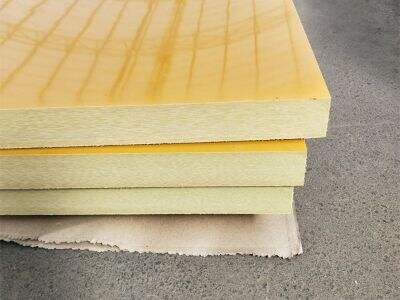
Epoxy composites are becoming very popular for many reasons, especially when it comes to resisting chemicals. RDS, a well-known name in manufacturing, helps many industries with these special materials. People choose epoxy composites because they are strong, durable, and can handle tough conditions. This article will discuss why epoxy composites are the top choice for chemical resistance and some common issues that buyers may face.
What Makes Epoxy Composites the Preferred Choice for Chemical Resistance?
Epoxy composites stand out in the world of materials. They are made from a special type of resin that is mixed with hardeners. This combination makes them very tough and resistant to many chemicals. For example, if you spill a strong acid or a solvent on a surface made of epoxy, it will not break down or get damaged easily. This is really important for industries like chemical manufacturing, where safety is crucial. RDS supplies these composites to factories that need reliable materials. In addition to being chemical-resistant, epoxy composites are also very strong. They can support heavy weights and resist impact without breaking. This makes them perfect for use in places like factories and warehouses where heavy machinery is used. Another reason why people love g11 glass epoxy composites is their versatility. They can be made in different forms, like sheets, coatings, or molded parts, which means they can be used in many different applications. Plus, they can be colored or finished in different ways, so they look nice too.
However, not everything is perfect. Sometimes, buyers can face issues when using epoxy composites. One common problem is that they can be tricky to apply. If the mixing of the resin and hardener is not done correctly, it can lead to weak spots. This is why it is essential to follow instructions carefully. RDS recommends that users get training or guidance if they are new to working with epoxy. Another issue is the curing time. Epoxy composites need time to harden properly. If someone tries to use the material before it is fully cured, it could lead to failures later on. Moreover, temperature and humidity can affect how well the epoxy sets, which can be frustrating for users.
In summary, while epoxy composites are excellent for chemical resistance and have many benefits, it is important for buyers to be aware of these challenges. With the right knowledge and support from experts like RDS, users can successfully navigate these issues and enjoy the many advantages that epoxy composites offer.
How Epoxy Composites Provide Long-Lasting Protection Against Corrosive Substances?
Epoxy composites are special materials made from a mix of epoxy resin and other ingredients. They are known for being very strong and durable, which makes them a great choice for protecting against harmful chemicals. When we talk about corrosive substances, we mean things like acids or strong cleaners that can wear down or destroy many materials. Epoxy composites create a tough barrier that keeps these substances from damaging the surface underneath. This is important in places like factories and laboratories where strong chemicals are often used.
One reason epoxy composites work so well is because they have a strong bond. The resin in the epoxy forms a hard shell that is difficult for chemicals to break through. This means that even if a corrosive substance spills on the surface, it will not easily reach what is below. This protection lasts a long time, so people do not have to worry about replacing materials often. In addition, epoxy fiber glass composites are also resistant to heat. This means that they can handle high temperatures without being damaged, which is another way they protect against corrosive substances.
RDS makes high-quality epoxy composites that are perfect for these kinds of jobs. Our products are designed to provide excellent protection, ensuring that your surfaces stay safe from harmful chemicals. By using RDS epoxy composites, you can be confident that you are choosing a material that will stand the test of time and keep your equipment and surfaces safe from damage.
What Factors Influence the Quality of Epoxy Composites for Chemical Resistance?
The quality of epoxy composites can depend on several important factors. First, the type of resin used is crucial. Not all epoxy resins are the same. Some are made to be more resistant to specific chemicals, while others might not hold up as well. This is why it is important to choose the right resin for the job at hand. RDS offers various types of glass epoxy sheet resins, each designed for different conditions and uses, ensuring that you get the best protection possible.
Another important factor is the way the epoxy composite is mixed and applied. The process of combining the resin with other materials like hardeners and fillers can affect the final product. If the mixing is not done correctly, the composite might not have the same strength or resistance to chemicals. At RDS, we make sure to follow the best practices when mixing our epoxy composites to ensure they meet high standards.
Lastly, environmental conditions can also play a role in the quality of epoxy composites. Things like temperature, humidity, and exposure to sunlight can change how well the composite performs. For example, if epoxy is applied in a very humid place, it might not cure properly, leading to a weaker surface. RDS takes these factors into account when creating our products, ensuring that they will perform well in different environments.
How to Choose the Right Epoxy Composite for Specific Chemical Environments?
Choosing the right epoxy composite can be a bit tricky, but it is very important for ensuring safety and effectiveness. First, you need to know what kind of chemicals the composite will be exposed to. Different chemicals can react differently with materials, so it is essential to understand what you are dealing with. For instance, if you are working with strong acids, you will want an epoxy that is specifically designed to resist those acids. RDS offers a range of epoxy composites tailored for various chemical environments, making it easier for you to find the right one.
Next, consider the temperature and conditions of the environment. If the epoxy will be used in a hot area or where it might get wet, you need to select a composite that can handle those conditions. RDS provides options that are made to withstand not just chemicals, but also high temperatures and humidity, ensuring that they remain effective over time.
Finally, think about how thick you need the epoxy layer to be. Some jobs may require a thicker application for extra protection, while others may only need a thin layer. RDS can help guide you in deciding how much epoxy to use based on your specific needs. By taking the time to choose the right epoxy composite, you can ensure that your surfaces are protected and that you will not have to worry about damage from chemicals in the future.
Table of Contents
- What Makes Epoxy Composites the Preferred Choice for Chemical Resistance?
- How Epoxy Composites Provide Long-Lasting Protection Against Corrosive Substances?
- What Factors Influence the Quality of Epoxy Composites for Chemical Resistance?
- How to Choose the Right Epoxy Composite for Specific Chemical Environments?