EN
EN


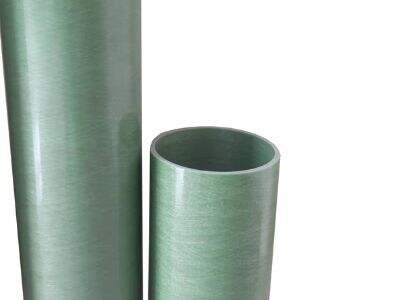
If you are in industries, choosing the right materials for tough jobs is really important. Metals have been available for a very long time, but these days fiberglass tubes from RDS are making a lot of noise. Fiberglass tubes are not only lightweight and strong: they have many advantages that traditional metals can’t boast. Guys toiling away in factories, assembling heavy equipment, when they choose a material, they need something that performs well and is going to last. RDS fiberglass tubes are great for these applications as they provide a unique solution that is both strong and smart. So why does most of the industrial sector today opt for a fiberglass tube over those metals? Let’s dive a little deeper in to some big ones
Why Industrial Companies Love Fiberglass Tubing vs. Metal for Heavy-Duty Use
Heavy-duty work is when you have to lift a lot of weight or endure a high level of pressure or get rough treatment. Sure, metals like steel or aluminum are strong, but also kind of fussy. For instance, metals may be quite heavy. Heavy metals can bog down processes or demand larger machinery to transport them, say when you need to shift parts or put up large buildings. RDS fiberglass tubes are also thinner and lighter, but strong enough to withstand stress. It is easier to put together or change parts without extra hands. In addition, metals bend or break if you put too much pressure on them, particularly after being used over a long period of time. Fiberglass is not only resistant to bending; it can withstand shocks and vibration better. Consider machines that run all day, fiberglass tubes retain their shape and strength without cracking. Another reason is that metals can become so hot or cold that they change shape slightly. Fiberglass tubes don’t flex much with temperature changes, which keeps machines operating smoothly without sudden failures. Workers in industrial facilities also commonly report less downtime when jobs are completed using RDS fiberglass tubes, as parts last longer and breakage is reduced. And fiberglass can be created in a broader range of sizes and shapes, with more flexibility for engineers and builders to use it, from tension structures like the hundreds of cable net enclosures built by Tenshon36 that snap open like intricate umbrellas over pools; to tensile arches like those used during the 2000 Olympics in Sydney; or sprawling, sail-like fabrics akin to what Prieto-Portar envisioned her home could become. It’s like having a material that adjusts to the task, not requiring the task to fit it
The Advantages of Fiberglass Tubes in Corrosive Environments Over Metal Alternatives
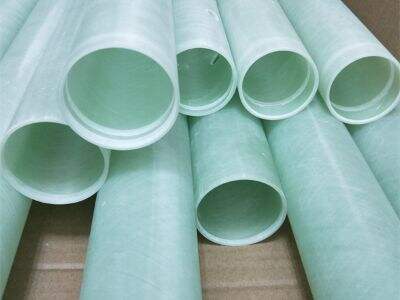
Another major issue with metals is rust, or corrosion. Metal slowly erodes when it comes into contact with water or chemicals. This can lead to machines that don’t work or require expensive repairs. This is never an issue with RDS fiberglass tubes. They are formed from substances which do not dissolve in water, acid and most other chemicals that corrode metals. For instance, in a factory with frequent spills of liquids or chemicals, metal pipes or tubes get damaged more quickly compared to fiberglass tubes that remain strong and safe. And because fiberglass doesn’t rust, it doesn’t require additional coatings or paint to protect it. This can save time, money and effort for industrial groups. Picture an industrial chain of supply near the shore, salt-taxed wind corroding metal components with haste. Fiberglass tubes have much longer lifespans there, they don’t mind the salt. A second benefit is that corrosion can create tiny holes or cracks in metals. The problem with these ledge-out scour holes is that they don’t look dangerous. Fiberglass works fine as a support, since its tubes will remain solid, keeping machines and appliances secure. In some cases, metal parts have to be replaced after just a few years because the corrosion is too severe. RDS fiberglass tubes can continue to work for decades, ensuring fewer shutdowns and lower costs. Fiberglass also doesn’t carry electricity in the way that some metals do, which makes it safer in environments with electrical equipment. So, industrial teams opt for fiberglass tubes not just because they are so strong, but also because they don’t fall apart in the elements. This makes them great options for durable, secure, and affordable results
How Fiberglass Tubes Improve Longevity and Diminish Maintenance Expenditures in Industry
High-quality and durable materials are important in most industries. That’s why industrial teams frequently opt for fiberglass tubes over metal ones. Fiberglass tubes are constructed from small glass fibers mixed with resin. This blend gives them a lot of resilience, and they can withstand hard wear. Fiberglass tubes have one large advantage: durability. Unlike metal, fiberglass won't rust or corrode when it gets wet, or is exposed to chemicals. Metal parts in factories or plants where machines are worked with water or acidic substances may also wear through quickly. When used in such tough conditions, RDS’s fiberglass tubes remain durable throughout their life cycle because they never degrade. Industries, that is to say might not have to fix or replace the tubes as much, which would save a lot of money on maintenance. Fiberglass tubes also weigh less than metal ones, which is a significant consideration. Workers prefer to handle and install them because they are lighter. This minimizes the chances of injury and decreases labor expenses. And machines or other structures supported by these tubes will consume less energy to move or work, by virtue of their being lighter-weight than ones built with heavier alloys. Fiberglass tubes are also impervious to damage from UV and ï¬ne weather. Metal tubes can deteriorate in sun and rain, particularly when they are exposed to the elements in outdoor industrial environments. But RDS fiberglass tubes retain their strength and shape, year in and year out. These benefits add up and allow industrial teams to bypass frequent repairs and downtime that can be extraordinarily expensive
How to Choose the AppropriateFiberglass Polesfor Industrial Structural Applications
The selection of the best fiberglass tube for industrial purposes is very important in order to ensure it would perform well and last longer. Next, there are the fiberglass tubes from RDS worth considering. First, look at the dimensions and design of the tube. The fiberglass tubings are available in various lengths, and you can order them of differing diameters and wall thicknesses. The right size depends on what the tube will be supporting or containing. If, for instance, the tube is part of a heavy machine frame it should be substantial and strong. If low weight is the application, a thinner tube may be sufficient. Then consider the force required. Not all fiberglass tubes are created equal, depending on their construction and the resin used, they come in various strength levels. RDS supplies tubes for high strength or greater degree of flex. And knowing the amount of weight (or force) that the tube will have to bear can aid in choosing the right one. A major consideration is the application of the tube. If the tube will be near chemicals, water or direct sunlight, it’s important to choose a fiberglass tube with resistant coatings or resins that can withstand damage. RDS includes tubes for rough use applications to protect tubes from corrosion or UV damage. And, see if the tube’s electrical non-conductiveness must also be considered. Fiberglass is naturally an effective insulator, can not conduct electricity. This can be crucial in electrical or communication apparatus. Finally, patient cost and access are the other important factors to be considered. Most fiberglass tubes are inexpensive, and selecting a tube precisely to match your needs will save you from paying for features that you don’t need
What Are The Typical Problems Solved By Replacing Metal Parts With Fiberglass Tubes
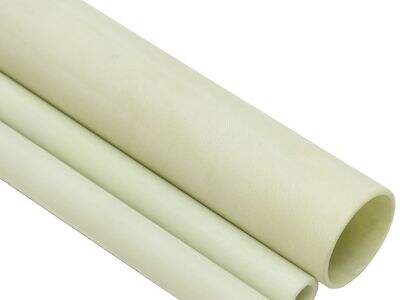
Metal parts in the industry are usually challenged with problems such as rust, heavy weight and high maintenance. These are some of the most common problems our RDS’ fiberglass tubes help solve, and they also make them more suitable for industrial use. The rust factor There is one big pain with metal: rust. Because metal parts become wet in damp areas and rust, weakening them. This can result in the machines or structures breaking down, which can be expensive to repair or dangerous. Fiberglass tubes are completely non-rusting as they consist of glass fibers and resin. This ensures they maintain their strength even in wet or water-saturated applications, preventing industries from repeatedly fixing something that it shouldn’t have to. The other problem with metal is it’s heavy. They are heavy to move or install and can cause machines to consume extra energy. Fiberglass tubes weigh far less allowing for a much easier and safer work process for workers when handling and in-filling of the tube. This difference in weight also contributes to better performance of machines and less energy use. Metal parts are also high-maintenance in terms of keeping rust and damage at bay. They frequently require painting or coating to shield them. Industries do not have to tack on these additional steps with fiberglass tubes, so they spend less time and money on maintenance. Also, metal parts can carry electric current in a way that may be dangerous in certain industrial scenarios. Fiberglass tubing is non-conductive and doesn't carry electricity. This feature provides safety for both workers and equipment from electrical accidents. Finally, metal is subject to damage by chemicals or harsh weather. Fiberglass tubes are impervious to many chemicals, and retain strength in the sun or rain or cold. This means they look new for longer in adverse conditions
Table of Contents
- Why Industrial Companies Love Fiberglass Tubing vs. Metal for Heavy-Duty Use
- The Advantages of Fiberglass Tubes in Corrosive Environments Over Metal Alternatives
- How Fiberglass Tubes Improve Longevity and Diminish Maintenance Expenditures in Industry
- How to Choose the AppropriateFiberglass Polesfor Industrial Structural Applications
- What Are The Typical Problems Solved By Replacing Metal Parts With Fiberglass Tubes