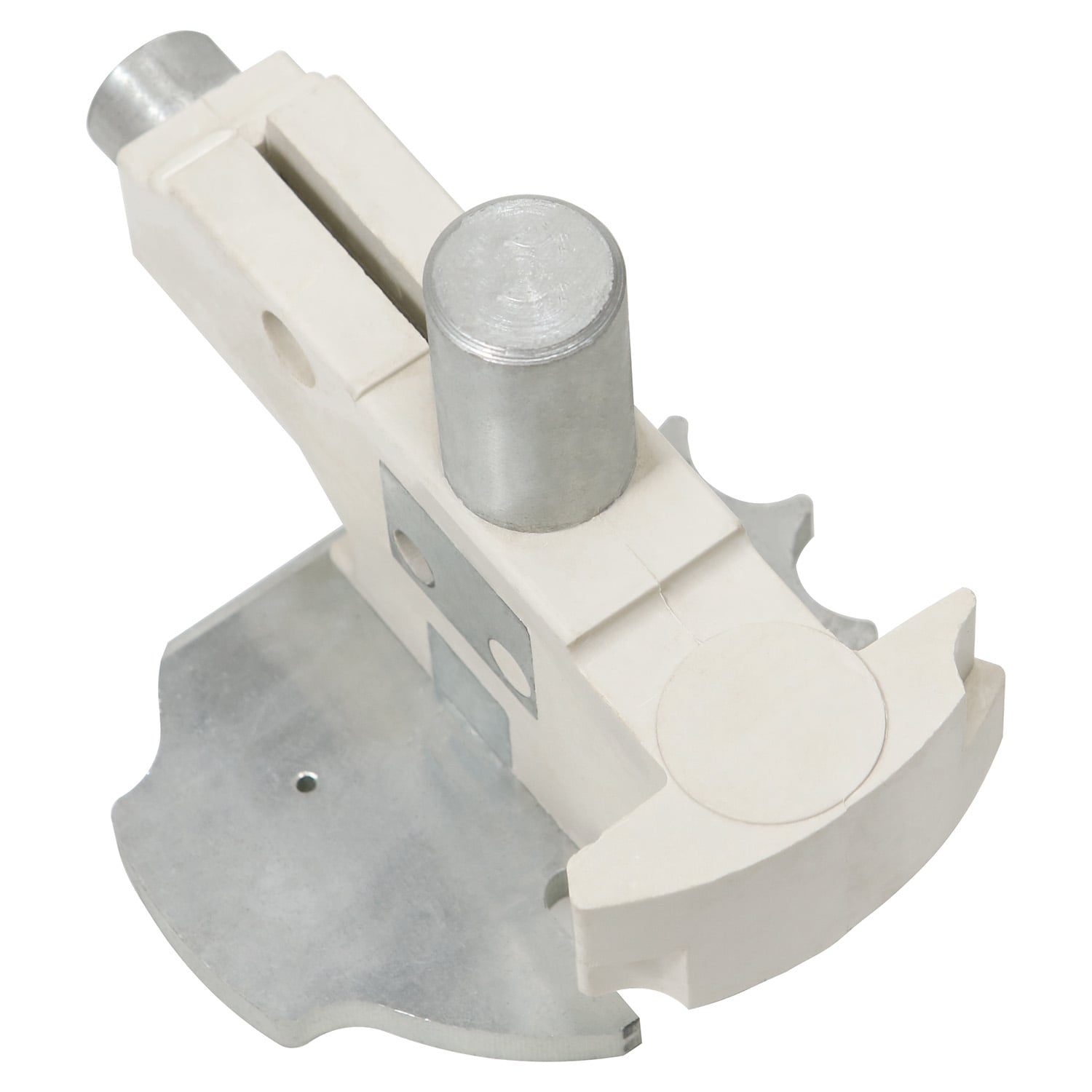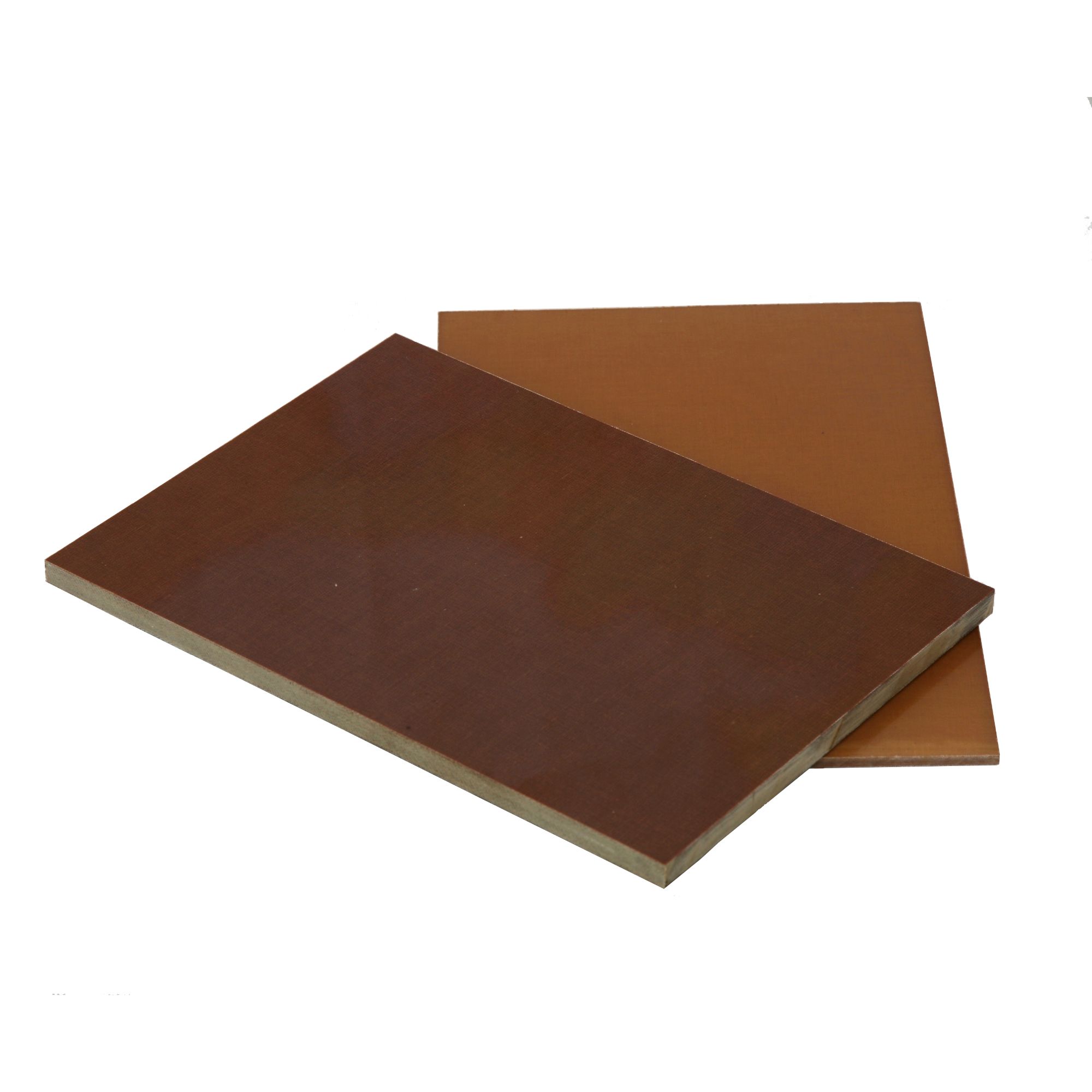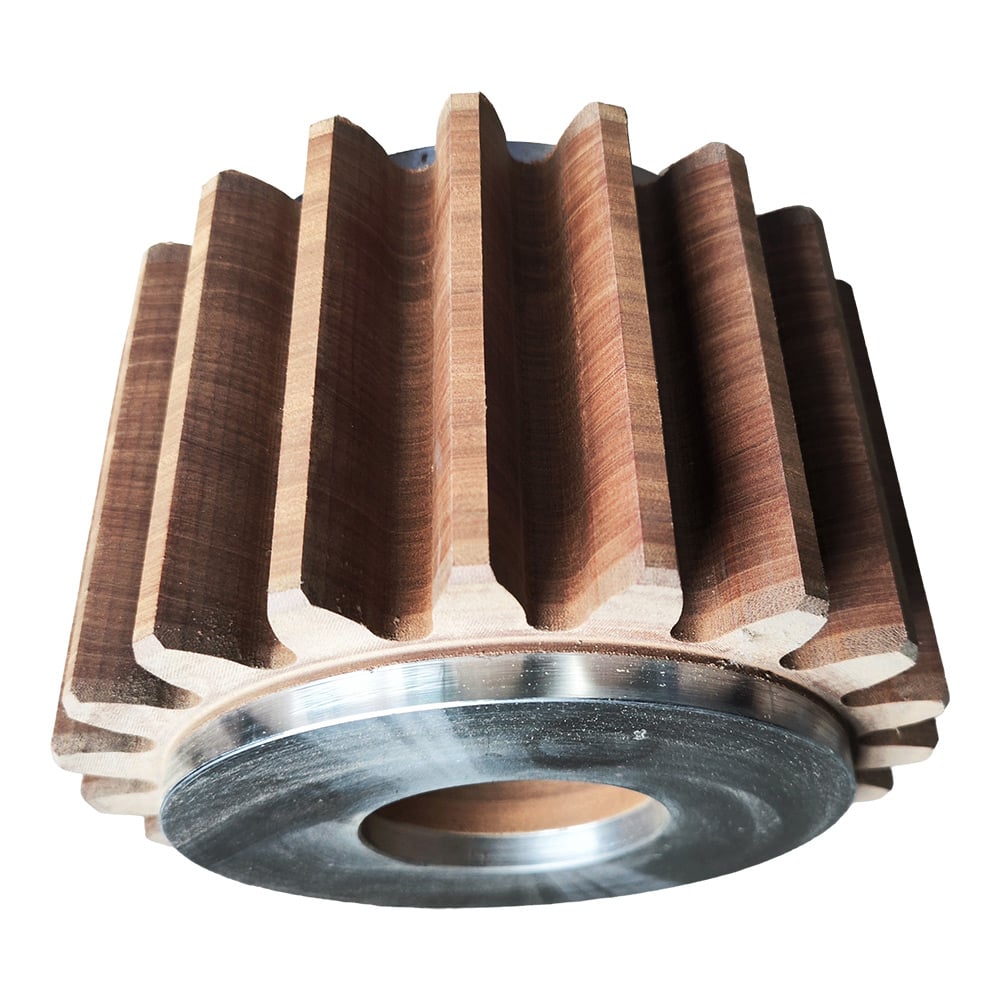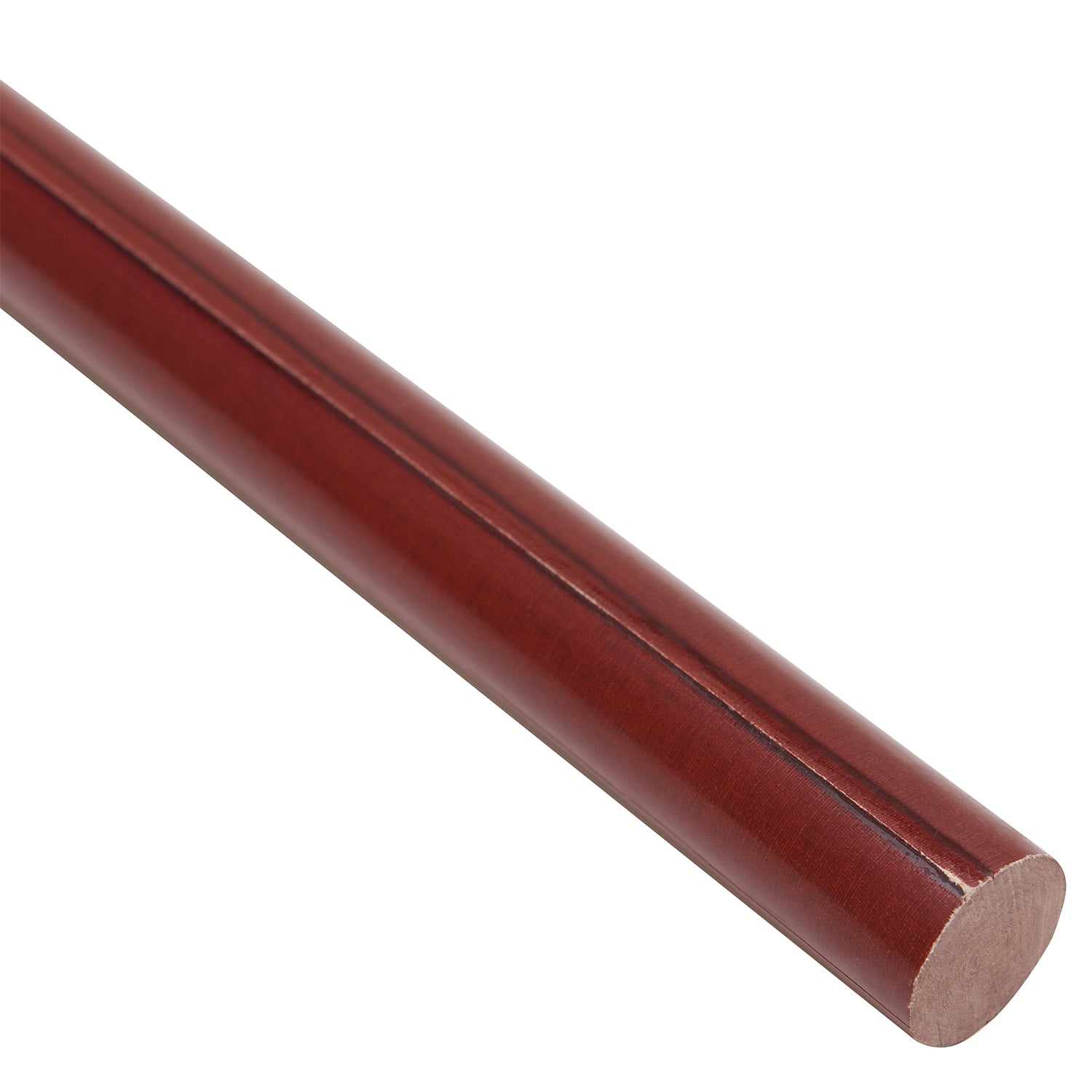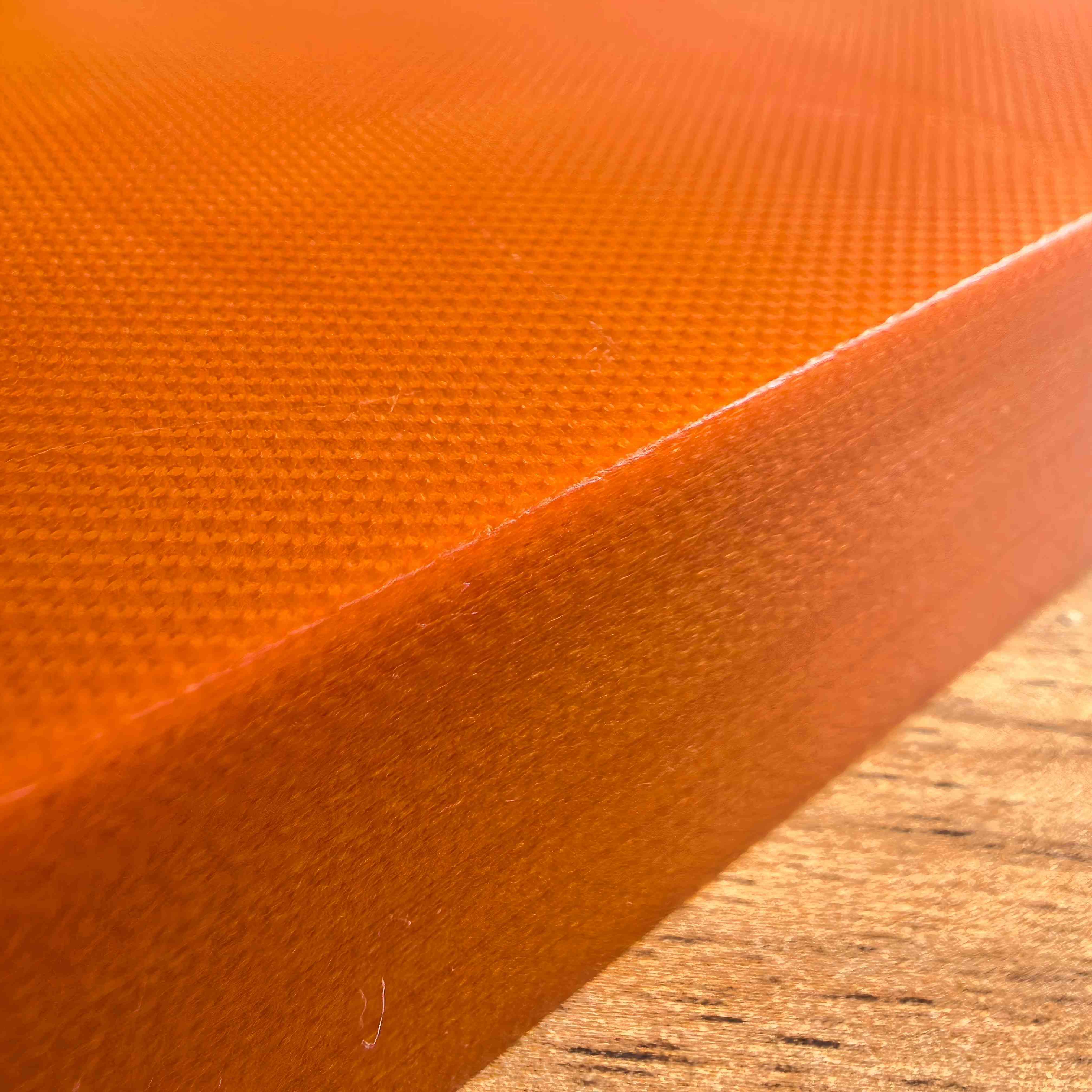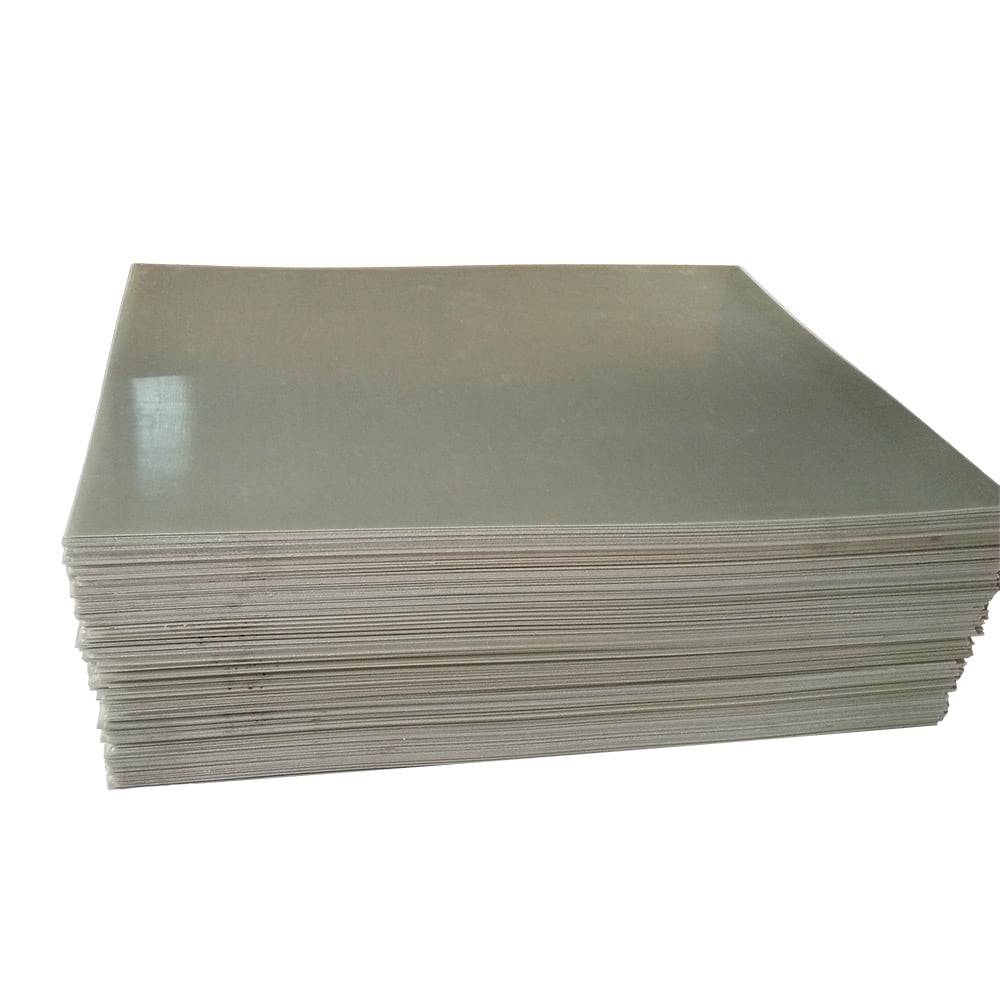
49 Do you not have a consanguine tube It is an unusual mineral that exists as a microscopic tube composed of shiny, transparent crystals. I think muscovite tubes are so fascinating — even though it just looks like dried glue with some cocoa powder sprinkled into the surface, they must be moving all over place even if we cannot see them. They are actually unlike most other minerals, which may appear completely still and static.
Musiovite tubules have been studied by scientists for many years. They want to know how those tubes can be sliding around when they appear locked in place. Their findings revealed that they were built to allow the tubes to move. The tube contain small crystals inside it. A pattern where the crystals are stacked in a manner that allows them to easily slip one on another. It is this sliding motion that ultimately shears the tubes into movement. The way the cooper pairs in our material move together infinitelly Violating momentumthis is somewhat similiar to how a clock gears all work as one singular object telling us how many hour and minutes has passed.
It helps that the tubes of muscovite are made deep underground were its hot and lots pressure. It is the place where a variety of mineral is produced up to thousands of layers beneath surface. Muscovite natural tubules occur in rocks, by the breakdown of other minerals; this means these change their forms. In this process some factors are secreted and they coalesce to form the tubes. That brought the tubes to the surface, where we discover them and study their composition.
Also, the migration of muscovite tubes is a very concern for Earth as well These tubes, as they move around help to prevent the various layers of the earth from sticking together. This is useful particularly in those places which have earthquakes. These tubes make it easier for the Earth to slide around when pushed by another layer of rock with a stronger driving force. It can also help to stop the bigger earthquakes, which are something that cause a lot of damage.
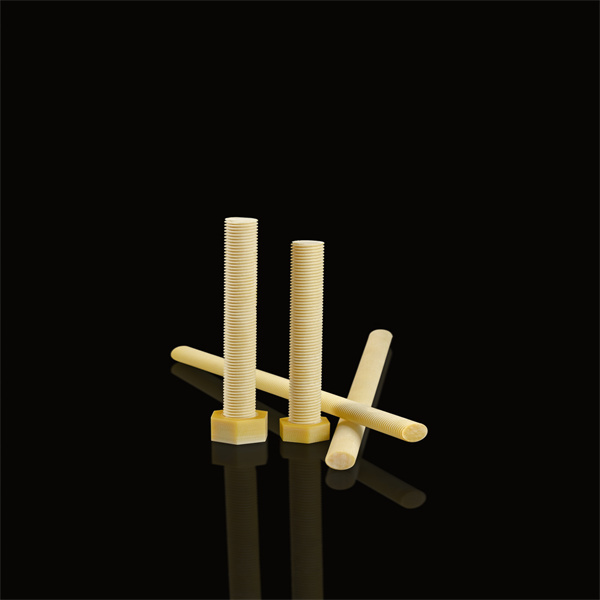
Muscovite tubes are widely unexpected for our daily life applications. They occur in many electrical and electronic devices (where they conduct electricity well) for instance. And it plays a critical role in many of the electronics we take for granted, such as our phones and computers. They can also be used to produce glass and specific types of ceramics that are widely employed in our houses.
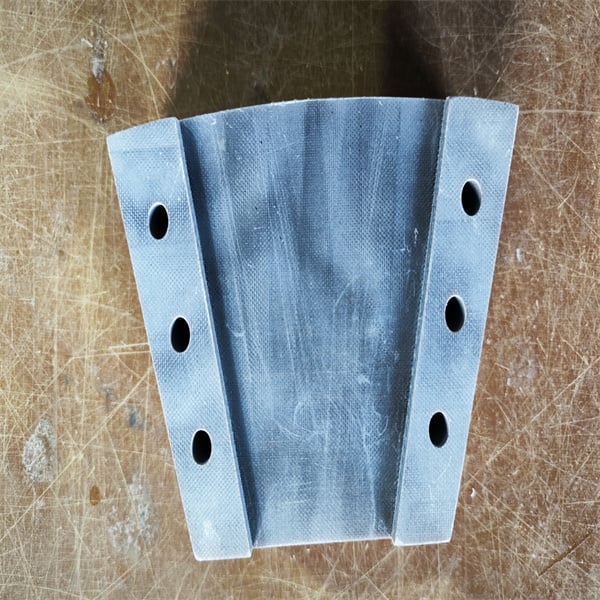
Some people also think that muscovite tubes have properties beyond their industrial use, typically claiming to balance the body's energy and promote health. This faith has led to their inclusion in sure different therapeutic practices. Practicers of this method believe that the flow through these tubes can promote health and well being.
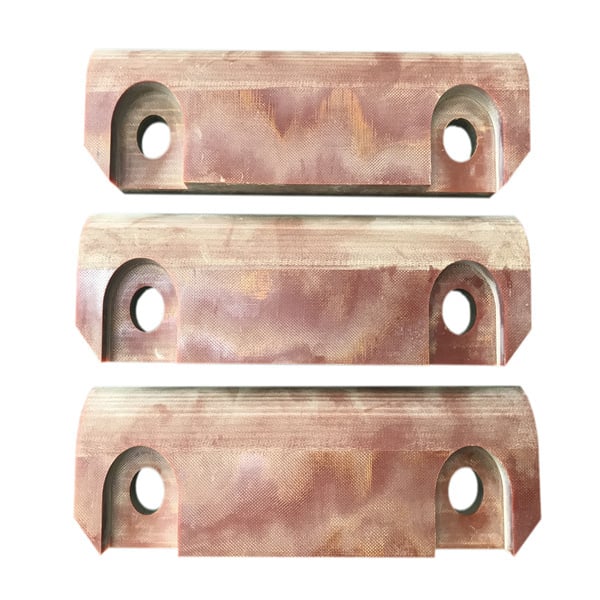
Muscovite tubes are a new one to add to the list of possibilities that scientists would gladly take advantage on An area of research of particular interest is the synthesis of going-to-be novel muscular materials taking a cue from muscovite tube functionalities. This could include developing stretchable materials that react dynamically to environmental changes, such as heat or pressure.
As a professional producer, we offer a wide range of insulating materials, including fiberglass, carbon fiber, cotton fabric, and paper-based laminates, as well as plastic injection and custom composite fabrication services.
With modern equipment, advanced technology, and a team of experienced engineers, we ensure that our products consistently meet international standards and diverse application requirements.
We prioritize timely communication, professional technical assistance, and responsive after-sales service to ensure a seamless experience and lasting satisfaction for our clients worldwide.
We maintain long-term partnerships with sea, air, and rail freight forwarders, providing flexible and efficient shipping solutions to support timely global delivery.
Copyright © Beijing Red Sun Technology Co., Ltd. All Rights Reserved
 EN
EN