EN
EN


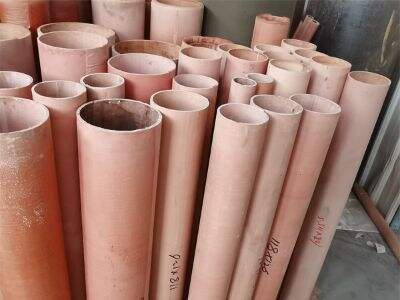
Fiberglass tubes are rugged, and because they are non-metal, they are a perfect component for antennas. We understand at RDS how crucial these tubes are not to easily bend or break. Fiberglass is created by adding small glass fibres to a plastic material. That mixture makes a tube able to withstand stress and pressure. Because of this mix, the tubes are not just tough but also remain stiff over time, for example when they are used in challenging locations or outside. The arrangement of the fibers inside the tube is also a big part of why it remains strong. (These fibers are basically little support beams holding everything up.) When the tube is pushed or pulled, the fibers encourage it to maintain its shape, rather than bending or snapping, so that it can bear weight. That’s why big businesses use RDS fiberglass tubes for jobs that require the strongest support
Why Fiberglass Tubes have Better Structural Rigidity for Industrial Use
When it comes to industrial applications, fiberglass tubing needs to be durable. At RDS we ensure that these tubes are strong enough to withstand even frequent use under heavy loads. Fiberglass tubes derive their strength from the arrangement of glass fibers within. Think of a bunch of threads all pointing the same way; that’s what gives the tube its ability to resist bending or twisting. In factories, machines and equipment can yank or twist on parts day in and day out. If these tubes were weak, they would warp or crack after a short period. But our RDS tubes have layers of fibers going different directions, so they resist forces from many sides. This strength in all directions keeps the tube stiff even when pressure comes from strange directions. Fiberglass doesn’t rust or rot like metal or wood, either, so it lasts longer in the elements. For instance, in chemical plants or steamy environment, RDS fiberglass tubes holds its own shape and strength without much maintenance. Plus, they are lighter than metal pipes, making them easier to install and work around. The combination of light weight and strength is why RDS tubes are chosen by many industries. And they help machines run: The tubes don’t kink or break, which can slow things down and prevent accidents. The way in which we construct this tubing at RDS, guarantees that every segment you get will adhere strictly to the rules of being strong and high quality. That way you have a product that doesn’t fail when it’s all on the line
Why You Specify Fiberglass Tubing for Retaining Long-Term Rigidity
RDS fiberglass tubes are both strong and stay that way for years. The materials we use is one such explanation. The glass fibers inside are extremely fine but durable, and they do not wear out quickly. And the plastic that keeps the fibers in place is also selected carefully to withstand heat, water and chemicals. That’s why our tubes don’t turn soft and weak after being out in the sun or rain. Other times plastic parts becomes brittle or crack, but RDS tubes hold firm. A related issue is how we construct the tubes. The fibers are packed tightly and layered to ensure the tube can take a lot of abuse without collapsing. This is more like gently stacking bricks one by one, so the tube remains intact. Bending a tube, the fibers help it to return to its previous shape rather than remain bent. This “memory” allows the tube to remain rigid over numerous uses. Picture a playground swing that's held up by twisting metal tubes, keeping it stable no matter how many kids pile on. That's what the inside of a building might look like to structural engineers if they could see beneath the floors and behind the walls. That kind of stability doesn't only apply to playgrounds. As hardened plastic takes its final shape within these molds, it contracts without losing any of its enhanced strength from reinforcement, which is partly why strong but lightweight forms are so useful. Plus, fiberglass is not a conductor of electricity, something that can come in handy on many jobs where metal parts could be problematic. At RDS we subject our tubes to these demanding conditions, to ensure they survive. Whether the tubes are utilized in cold weather on winters or hot summer seasons, they remain long lasting. This means that you won’t have to frequently replace them, saving you time and money as well. The durable nature of RDS fiberglass poles make them a smart choice for anyone in need of reliable support that won't quit
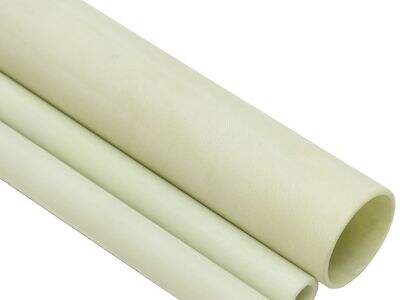
Why a Fiberglass Tube for Wall Construction May Not be Totally Rigid
Fiberglass tubes are common materials found in multiple building applications due to strength combined with low weight. Structural stiffness is all about how well something keeps its shape when forces try to make it bend or twist. For fiberglass rods, there are a few things that determine how stiff they remain. One major factor is how the fiberglass is brewed. Fiberglass is produced by incorporating small glass fibers into a plastic material known as resin. The quantity and orientation of these glass fibers in the tube help determine how stiff and strong the tube will be. If the fibers are perfectly aligned straight along the tube, it can take more weight without bending. If they are randomly distributed, the tube could be less stiff
Another consideration that contributes is the thickness of the walls of the tube. The thicker the walls, the harder it is to bend or break that tube. This is also the reason why tubes of varying thicknesses are selected according to how much load they should bear. Plus, the size of the tube counts. Larger tubes can support greater weight, but may also be heavier. Getting the size and thickness right is crucial to keep tubes strong yet still light enough to be manageable
The type of resin also affects the rigidity of the tube. The tube will be hardened and more rugged by some resins. Others could make it more flexible but less so stiff. Weather conditions like temperature and moisture can degrade the resin and fibers over time, so special resins that won’t degrade in water or under heat are often used to ensure the strength of the tubes when they are outdoors
Finally, the application of the fiberglass tubes in a structure makes a difference as well. If they are snugly run with and supported well, then that's a rigid arrangement that won't move. But when the tubes aren’t grasped securely or are put into a position where they can be moved, they could potentially bend more. So, RDS engineers and builders are always thinking about these things when they choose and install fiberglass tubes in order to make sure the buildings or projects will be safe and last long
Comparison Between Fiberglass Tubes and Metal Tubes with Respect to Preserving Structural Strength
When people make things, they generally have to pick between fiberglass tubes and metal rods. Both are strong, but they play a very different role to keep structures safe and stable. Structural integrity refers to the ability of a material to hold together in order not collapse under pressure. Fiberglass tubes, such as those produced by RDS, are lighter than metal tubes so are easier to carry and install. This is a great benefit especially when constructing tall or large structures where weight becomes a big problem
The advantage of fiberglass tubes over metal tubes is, unlike the latter they don't rust or corrode. Metal can weaken if it rusts after spending a long time outside, but fiberglass remains strong as its glass fibers and the resin holding them together do not easily react with water or air. That means a fiberglass tube will last longer in wet or salty environments (such as near the ocean, or where a lot of rainwater is always sprawling) than an equivalent carbon one
Metal tubes tend to be stiffer, and thus better able to support heavier loads without collapsing, especially steel ones. Fiberglass tubes can also be laid up in various ways to be very stiff, by varying the lay-up of the glass fibers and how thick or thin the resulting tube is. And fiberglass tubes can take in vibrations or shocks better than metal does too. That makes it useful for places where things move or vibrate, such as bridges or vehicles
Another distinction is in how they act when they break. Metal tubes tend to bend rather than break, which can alert people that something is awry. Fiberglass tubes can also fail catastrophically, so engineers design them to split in a very controlled way and under predictable stresses. But RDS FAG tubes are produced with checks and special stuff to mitigate this risk
In short, fiberglass poles are larger and stronger while marginally lighter in weight, but do not rust. Metal tubes offer very high strength but can be heavier and require protection from rust. RDS helps select the right tubes, depending on the project, to ensure buildings remain safe and sustain for decades
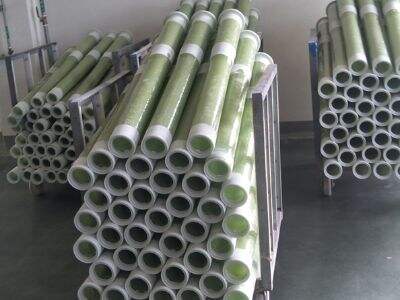
Why You Can Trust Wholesale Fiberglass Tubes for High-Performance Structural Projects
When large construction projects require strong and durable materials, purchasing fiberglass tubes in bulk is usually the way to go. Wholesale is buying a lot at once, and that’s how companies like RDS (which does many high performance structures) typically work. Wholesale fiberglass tubes are favored in these ways for a number of different reasons
One, you’ll save money by purchasing tubes in bulk. Smaller-diameter tubes are often priced higher or not available. It allows builders to buy the best materials without spending too much. Wholesale purchase makes economic sense, as structural works require many tubes
Second, there is a uniform quality to any wholesale fiberglass tubes. When RDS offers tubes in large lots, they ensure every tube is up to strict standards. This is significant because if a few tubes are weaker or out of place, the entire structure may be vulnerable. This system uses high quality wholesale tubes to keep every aspect of your project sturdy and secure
Third, having a bunch of tubes all ready at once speeds up the finishing process. Builders don’t need to wait for additional tubes, one-by-one. They can perform non-stop, saving time and preventing delays. This is especially critical in such high-performing projects with tight due dates
Furthermore, wholesale fiberglass tubes are available in various sizes and thicknesses. This variety enables engineers to select the specific type of tube required at various points in a structure. RDS has an incredible selection of tubes to handle most any application, from thin support tubes to commanding beams. This adds even greater value to wholesale buying
And lastly wholesale allows us to be cautious and safe. Much like a car or a house, big projects require careful design and sturdy materials to keep people safe. Purchasing from a reliable source such as RDS guarantees that each data logger is tested and ready to maintain pressure. This confidence is key to constructing strong and durable edifices
Large-diameter fiberglass tubes best sum up why hosts of big, high-performance projects prefer our wholesale fiberglass tubes to save money at the same time as providing quality that is consistently good, while speeding through work and having options galore all with a side of safety. RDS carries these tubes with pride to the builders that demand nothing but the best materials for their serious builds
Table of Contents
- Why Fiberglass Tubes have Better Structural Rigidity for Industrial Use
- Why You Specify Fiberglass Tubing for Retaining Long-Term Rigidity
- Why a Fiberglass Tube for Wall Construction May Not be Totally Rigid
- Comparison Between Fiberglass Tubes and Metal Tubes with Respect to Preserving Structural Strength
- Why You Can Trust Wholesale Fiberglass Tubes for High-Performance Structural Projects