EN
EN


How to choose composite insulation tube?
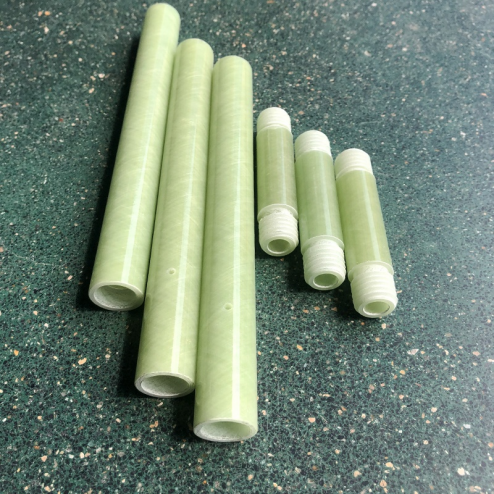
A composite insulation tube, commonly referred to as epoxy fiberglass tubes, is a core insulating component widely used in high voltage electrical equipment, dry-type transformers, power switchgears, new energy power systems and industrial pipeline projects. Compared with traditional ceramic insulation tubes and single-layer plastic insulation pipes, epoxy fiberglass tube feature better insulation performance, stronger mechanical strength, high temperature resistance and anti corrosion property.
Four Core Criteria for Purchasing Qualified Composite Insulation Tubes
To avoid defective products and potential operational risks of power equipment during bulk procurement, professional purchasers are advised to evaluate products based on four key technical indicators before placing orders:
1. Precise thickness tolerance
Wall thickness directly determines the dielectric strength and insulation effect of composite insulation tubes. Even tiny dimensional deviation will greatly weaken the overall insulation performance of power equipment. Professional manufacturers must provide clear thickness tolerance for all finished insulation tubes, instead of vague dimensional ranges.
2. Electrical Insulation Performance
Electrical power applications require reliable insulation performance. The composite insulation tubes should adopt high quality epoxy resin and alkali-free fiberglass raw materials, and can maintain stable dielectric strength under long-term continuous operation, effectively preventing electric leakage, partial discharge and other electrical risks for power equipment.
3. Temperature resistance rating
Power equipment runs with constant temperature changes, so insulation tubes must resist high-temperature aging and low-temperature hardening. The insulation tubes can support long-term working temperature up to 180℃ or even more than 200℃, so the purchaser must choose the suitable temperature grade according to the actual working environment.
4. Mechanical parameters
Insufficient mechanical strength will lead to tube rupture after installation, directly causing equipment shutdown and economic losses. Three critical mechanical indicators must be verified during procurement:
- Tensile Strength: It indicates the maximum axial pulling force the insulation tube can bear without permanent deformation, cracking or fracture.
- Compressive Strength: It measures the tube’s capacity to withstand radial extrusion pressure and vertical compressive force.
- Bending Strength: It reflects the tube’s resistance to lateral bending force and cross-direction impact load during installation and operation.
Choosing the right composite insulation tube requires careful consideration of several key factors. First, evaluate the operating temperature range and electrical insulation requirements to ensure the material meets your specific application needs. Next, assess the mechanical strength and dimensional stability under load, as these tubes often serve structural roles. Finally, verify the manufacturer's quality certifications and test reports. By balancing these parameters, you can select a durable, high-performance solution that ensures safety and longevity in demanding environments.
RDS Composite produces composite insulation tubes with precise dimensions and high performance. Every production procedure from raw material screening, winding process to finished product inspection follows strict quality control standards. We own stable production capacity and a mature supply chain, supporting both urgent small orders and long-term fixed bulk orders with punctual delivery guarantee.