EN
EN



Is G10 Material Safe for the Human Body?
G10 material is basically harmless to human body under normal use conditions, but it may release tiny substances when processed or treated at high temperature. It is a kind of composite material synthesized from glass fiber and epoxy resin, which has high strength and stability, and it will not produce toxicity or health risk when contacted with it in daily life.
1. Composition and Properties of G10 Materials
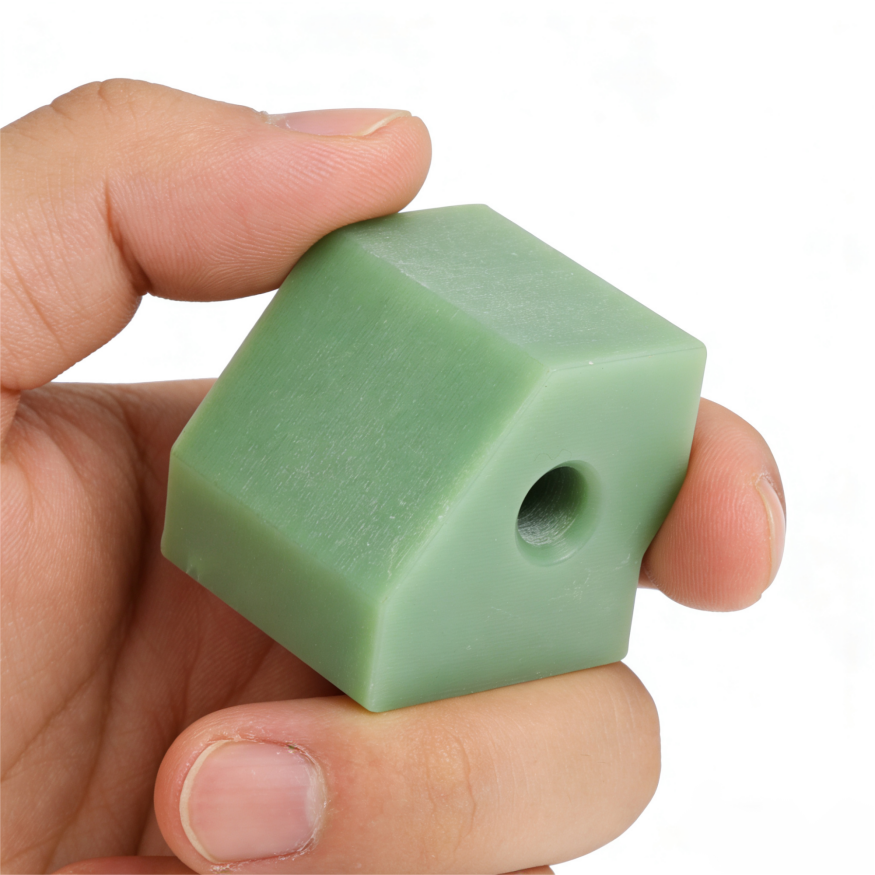
G10 is made by impregnating glass fiber cloth with epoxy resin and then laminating and curing. The main components are glass fiber and cured epoxy resin. The chemical properties of these two components are stable after complete curing, and no volatile substances are released. The human body will not be harmed by the conventional touch, holding or using.
2. Safety Analysis
♦ Safety of physical contact
The cured G10 has smooth surface and no free fiber shedding. It will not cause skin allergy or irritation after long-term contact. However, there may be small glass fiber fragments in the unprocessed edge. It may cause slight prickling itch after contact, which can be removed by washing.
♦ Chemical stability
The epoxy resin forms a cross-linked network structure after curing, which does not decompose or release harmful substances at room temperature. Experimental results show that its chemical inertness is comparable to common plastics (such as ABS), and there is no need to worry about toxic leaching when it comes into contact with food or drinking water containers.
♦ High temperature risk
When temperatures exceed 150°C, epoxy resin may undergo thermal decomposition, releasing trace amounts of benzene compounds or formaldehyde. This temperature far exceeds typical usage scenarios (e.g., tool handles, electronic device components). While normal use poses no risk, protective gear must be worn during processing.
3. Potential Risks in the Processing Process
♦ Cutting and grinding
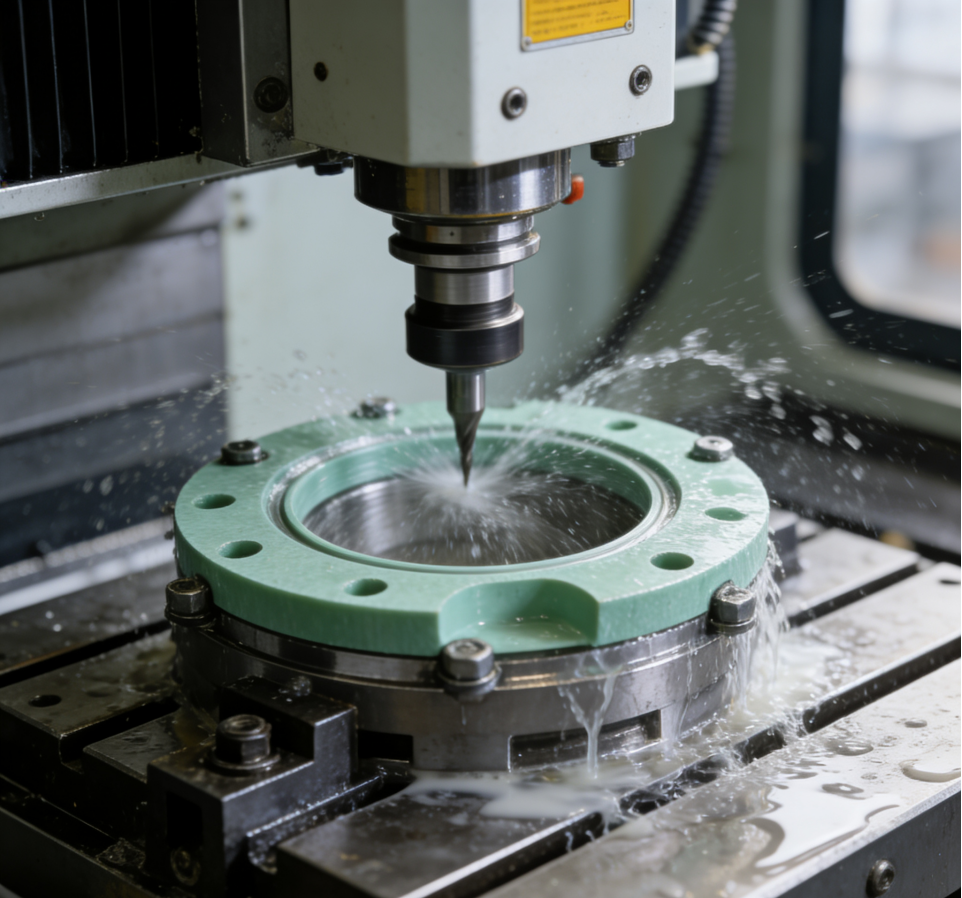
Mechanical processing generates glass fiber-containing dust, which may irritate the respiratory tract if inhaled. It is recommended to operate in a well-ventilated environment and wear dust masks and goggles.
♦ High temperature treatment
Laser engraving and high-temperature molding processes require precise temperature control to prevent epoxy resin decomposition. Industrial-grade processing systems are typically equipped with exhaust gas treatment units.
4.Comparison with Other Materials
Compared with phenolic resin (containing formaldehyde) or PVC (containing plasticizer), G10 has better environmental performance. Its safety is close to polycarbonate (PC), but its hardness and wear resistance are significantly higher.
In short, G10, as a mature industrial material, is safe and reliable when used properly, with no need to overly worry about health risks. With proper protection in special processing scenarios, potential impacts can be minimized.
RDS Composite can offer a variety of G10 material products that highly comply with the international standards.Our products are carefully managed from raw material procurement through the entire production process to ensure they meet international standards. We are committed to providing you with reliable quality products and timely delivery of services.