EN
EN



G10-CR Epoxy material: Tailored for Ultra-low Temperature Industrial Equipment & Components
G10-CR Epoxy material: Tailored for Ultra-low Temperature Industrial Equipment & Components
G10-CR epoxy glass fiber laminate is a specialized variant of standard G10, engineered for extreme low-temperature applications. Specifically designed for near-zero environments, it is indispensable in cutting-edge fields such as superconductivity and deep space exploration.
How does G10-CR achieve ultra-low temperature performance?
The G10-CR's ability to withstand temperatures as low as-270°C, approaching absolute zero, stems from its customized formula optimization, unique layered composite structure, and low-temperature compatible manufacturing process. This comprehensive approach addresses the common issues of brittleness, deformation, and performance degradation in conventional materials under extreme cold conditions.
1. Modification of Resin System for Deep Cryogenic Application
The key distinction between G10-CR and standard G10 materials lies in their exclusive low-temperature epoxy system. G10-CR employs an optimized amino-catalyzed solid epoxy resin matrix, distinct from conventional G10 resins. The manufacturer intentionally reduced the resin's modulus through this formulation design, effectively minimizing material brittleness at low temperatures. Even when temperatures drop to liquid helium levels, the resin only exhibits slight brittleness with micro-cracks, preventing structural collapse. Mechanical properties show a maximum 20% decline, significantly outperforming the failure rates of ordinary epoxy materials in cryogenic environments. Additionally, this resin maintains strong adhesion to glass fibers at low temperatures, avoiding interface delamination caused by extreme cold and ensuring structural integrity.
2. Low temperature stability of glass fiber laminated structure
This composite material, classified as glass cloth/epoxy laminated board, is fabricated through high-temperature and high-pressure processing of multiple resin-impregnated glass fiber layers. Glass fibers inherently exhibit exceptional low-temperature stability, maintaining structural integrity and performance without significant degradation even at ultra-low temperatures, thus providing essential support as the core framework. The layered stacking configuration effectively distributes thermal stresses generated in cryogenic environments, preventing stress concentration-induced cracking. Experimental data reveals that this design achieves 2.45 times the room-temperature shear strength at 77K (liquid nitrogen temperature range). Remarkably, the material retains nearly complete shear strength even when cooled to 4.2K (liquid helium temperature range), effectively compensating for minimal performance loss caused by resin embrittlement at low temperatures.
3. Low thermal conductivity reduces thermal stress damage at low temperature
The G10-CR material boasts a thermal conductivity of merely 7.0×10^-4 kcal/s/cm²(°C/cm), making it an exceptional thermal insulator. In cryogenic environments, this property dramatically reduces heat transfer from external sources to cryogenic equipment while preventing extreme thermal expansion and contraction caused by significant temperature differentials. By minimizing thermal stress-induced structural damage and avoiding fatigue damage from repeated thermal cycles, the material maintains stable performance over extended low-temperature operation.
4. Low hygroscopicity to avoid structural degradation at low temperature
It inherits the low moisture absorption characteristic of G10 series materials, with a 24-hour water absorption rate of only about 0.11%. In low-temperature environments, moisture in the material may condense into ice or even solid ice crystals, causing volume expansion that disrupts the internal structure and leads to cracking and performance degradation. However, G10-CR's extremely low water absorption rate prevents internal damage from freeze-thaw cycles or in low-temperature, high-humidity environments, maintaining structural and performance integrity at low temperatures. This further enhances its adaptability to ultra-low-temperature operating conditions.
How does this material behave at ultra-low temperature?
The material demonstrates exceptional temperature resistance: it can stably withstand extreme low temperatures as low as-270°C (approaching liquid helium's 4K), while maintaining continuous operation at temperatures up to 140°C, covering a broad temperature range from extreme cold to moderate-high temperatures. Experimental results show that interlayer shear strength significantly increases at 77K (liquid nitrogen temperature). Notably, even in the extreme cold of 4K, shear tests reveal stress concentration phenomena without causing structural failure.
Mechanical properties exhibit trade-offs: In ultra-low temperature environments, materials 'Young's modulus and shear modulus increase, with slight brittleness rise. While mechanical performance may decrease by approximately 20%, this degradation remains controllable—significantly better than conventional G10's brittleness at-55°C. Moreover, its exceptional low thermal conductivity (7.0×10^-4 kcal/(s·cm²·°C)) effectively reduces heat transfer in extreme cold, making it ideal for high-insulation applications.
Zero insulation degradation: The material maintains excellent electrical properties even at-270°C, with stable key insulation parameters including dielectric strength and volume resistivity, preventing insulation failure under extreme cold. This is a key reason for its application in superconducting devices and deep-space electronics.
Typical application of ultra-low temperature scenario
In the fields of superconductivity and nuclear energy, the electrical insulation and structural support materials for superconducting magnets in nuclear fusion reactors can withstand extreme low temperatures approaching liquid helium levels within the reactor, while resisting complex stresses to prevent insulation failure or structural deformation of superconducting components.
In deep space exploration, materials must withstand extreme temperature variations in spacecraft environments. They must resist both the extreme cold of-270°C and the moderate-high temperatures generated during equipment operation. These materials are commonly used for supporting structures of cryogenic sensors and insulating packaging of electronic components, ensuring stable equipment performance during space missions.
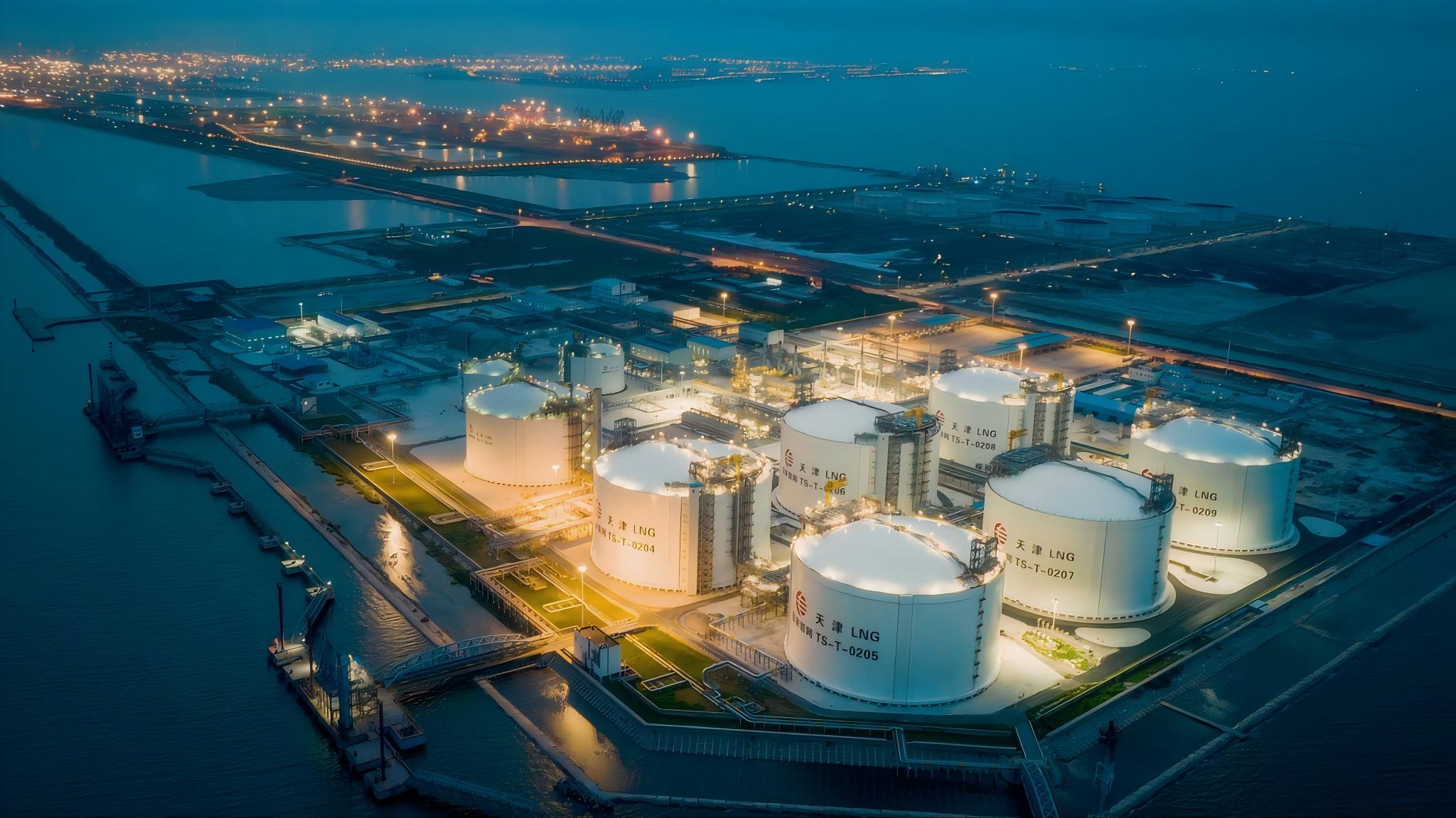
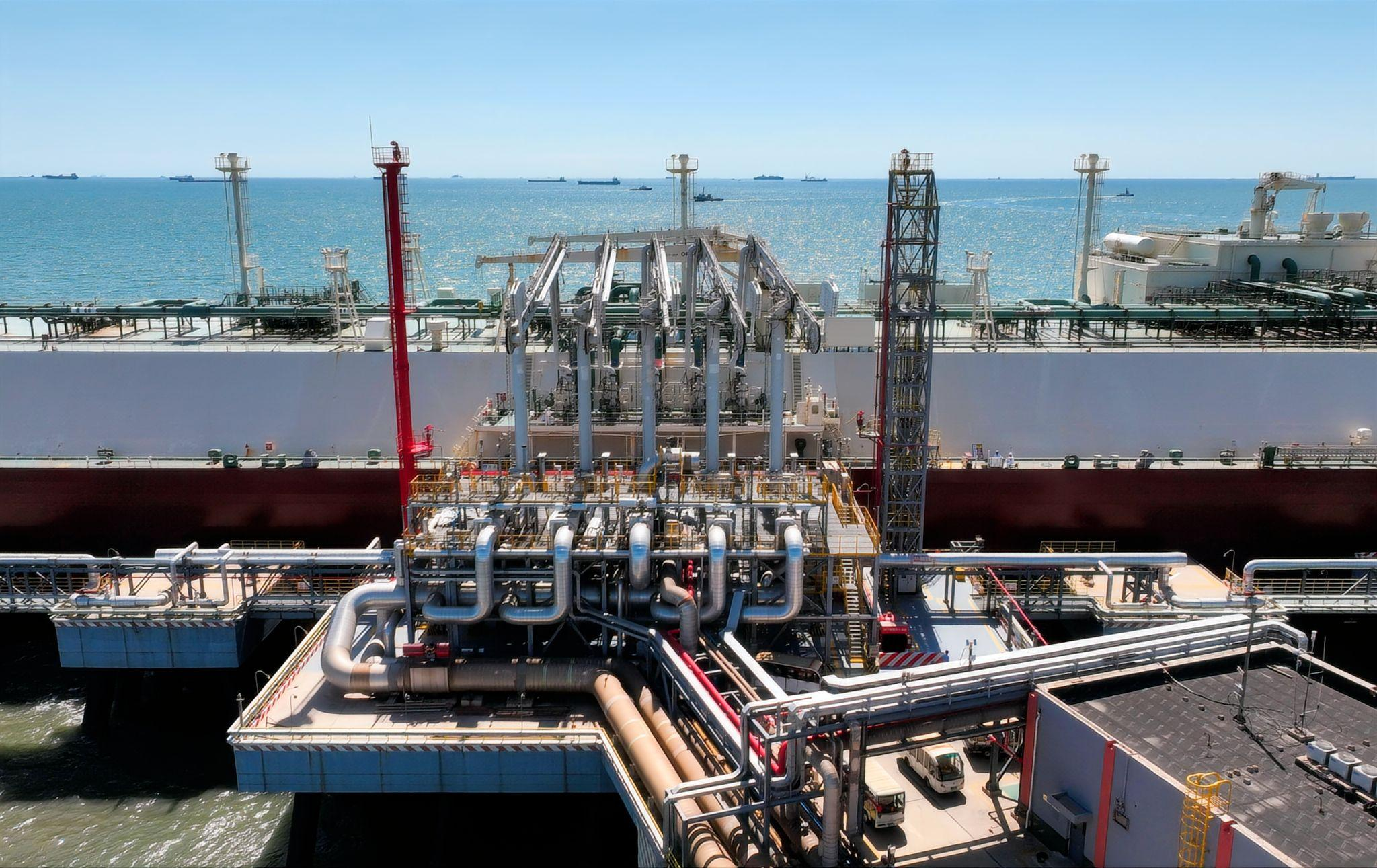
In cryogenic engineering applications, these materials are utilized in LNG storage and transportation systems for manufacturing pipeline insulation gaskets and sealing components. Their structural stability and low thermal conductivity at extreme temperatures effectively minimize cold loss during LNG transport while preventing material cracking and leakage risks caused by extreme cold.
RDS Composite can offer G10-CR epoxy glass fiber laminate with ultra-low temperature performance. Our products are carefully managed from raw material procurement through the entire production process to ensure they meet international standards. We are committed to providing you with reliable quality products and timely delivery of services.