EN
EN



-
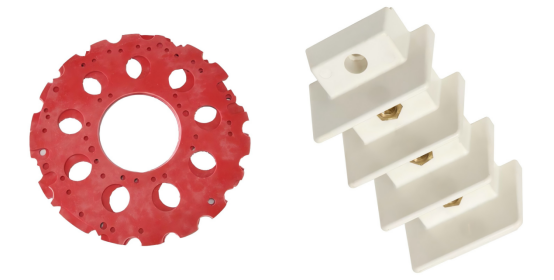
GPO3 vs SMC —Material Properties & Applications
2026/04/19GPO3 and SMC sheets are two composite materials with similar core components—unsaturated polyester resin and glass fiber—but they differ drastically in performance, manufacturing, appearance and applications due to distinct structural des...
Read More -
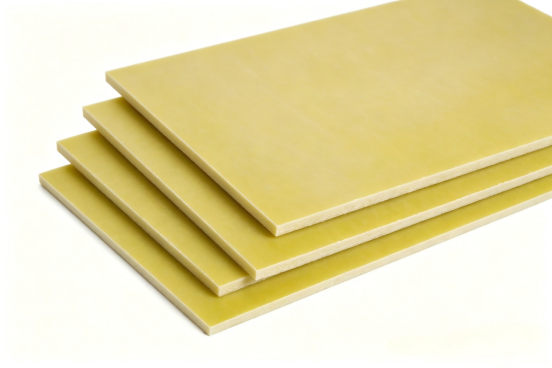
Advanced Insulation Solution: EPGM203 for Motors, Transformers and New Energy Equipment
2026/04/30EPGM203 is manufactured by hot-pressing alkali-free glass fiber mat impregnated with high-Tg epoxy resin, featuring a randomly oriented chopped fiber structure that delivers exceptional electrical reliability and mechanical stability. As a Class F ep...
Read More -
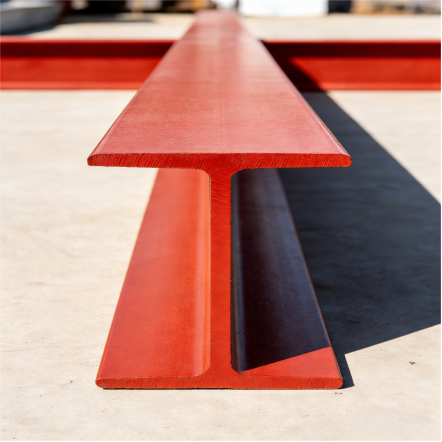
GPO-3 Profiles: Why Are They the Core Material for Structural Electrical Insulation?
2026/04/10The GPO-3 profile (also known as UPGM203 profile) is a custom-shaped insulating structural component fabricated using NEMA GPO-3 grade alkali-free glass fiber mat and unsaturated polyester resin through pultrusion and molding ...
Read More -
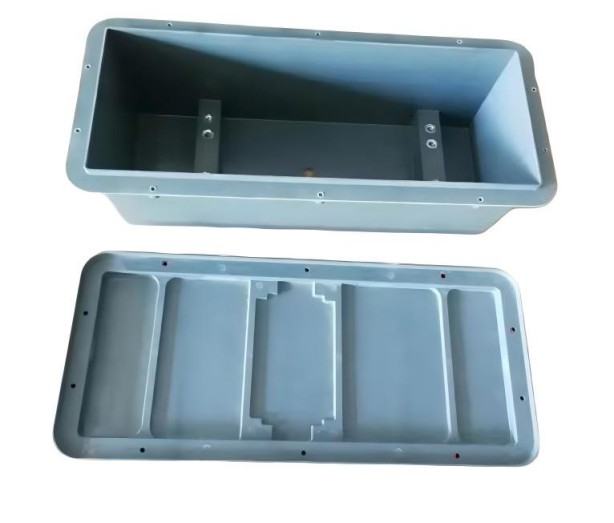
Challenges and Optimization of SMC Molding Technology
2026/03/26SMC (Sheet Molding Compound) molding technology involves applying pressure and heat to SMC materials through molds, enabling them to solidify or melt within the mold cavity to produce components that meet specified dimensional and performance require...
Read More -
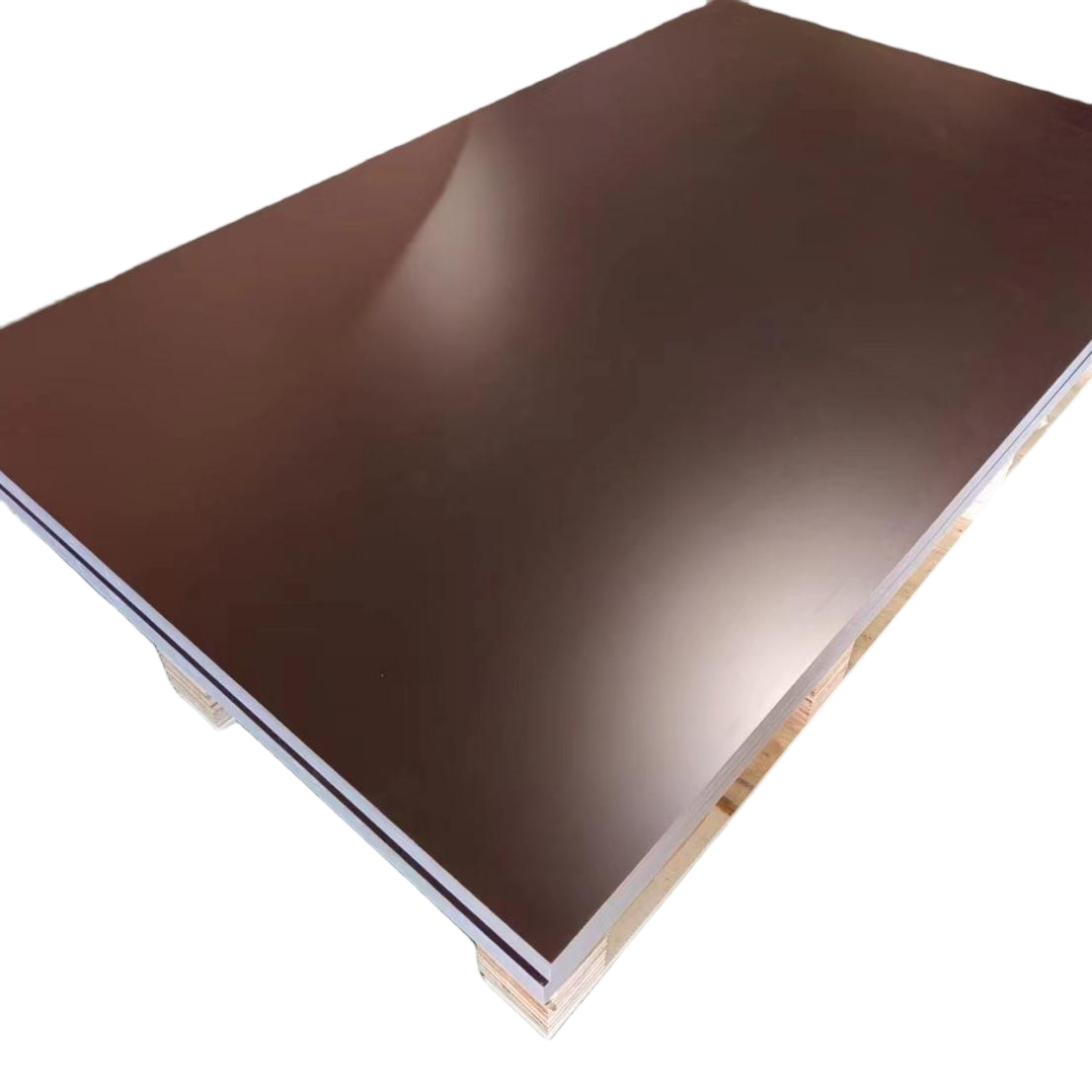
EPGC308-A Special Glass Epoxy Composite with High Temperature Resistance
2026/03/24EPGC308 is an epoxy resin laminate usually in the color of yellowish-brown or light yellow. As a high-performance electrical insulation material, it demonstrates high-temperature resistance, high mechanical strength, and stable electrical performance...
Read More -
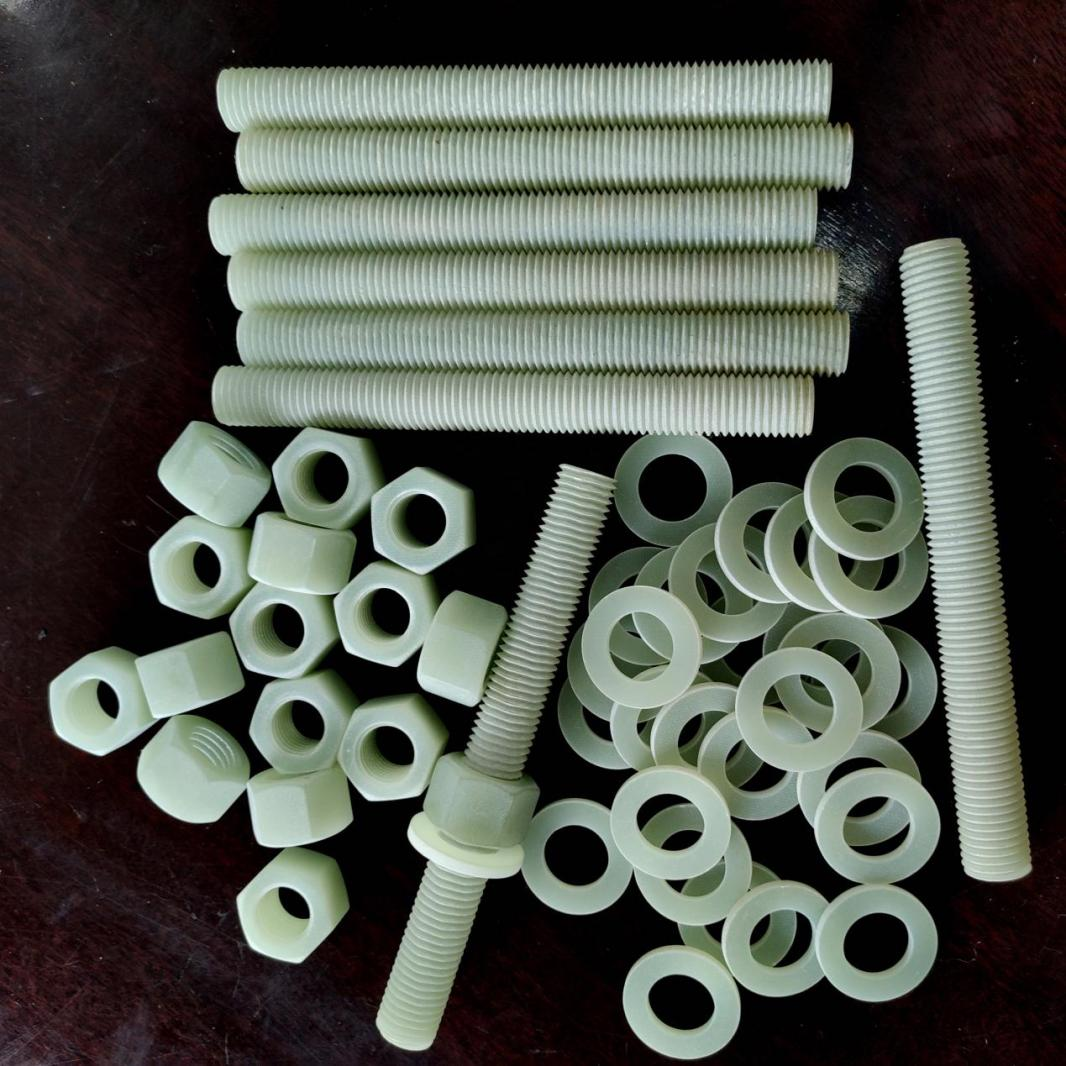
Reliable, Insulated and Corrosion-resistant FRP fasteners
2026/03/16FRP (Fiber Reinforced Plastic) insulated fasteners are a type of connector that combines reliable mechanical fastening with excellent electrical insulation performance. They fix components while blocking current flow between parts with different pote...
Read More -
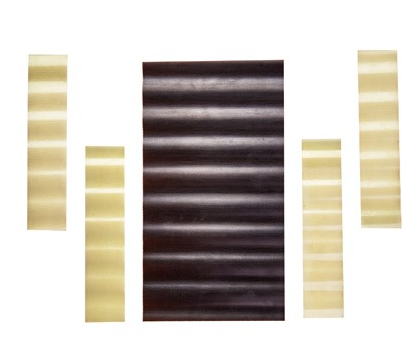
Ripple Spring Sheets: Insulation for High-Voltage Motors & Transformers
2026/03/11The insulation ripple spring sheet is a specialized thermosetting laminated corrugated sheet designed for large generator slots in electrical insulation applications. It is corrugated model of epoxy-modified polyimide glass cloth laminates. Materials...
Read More -
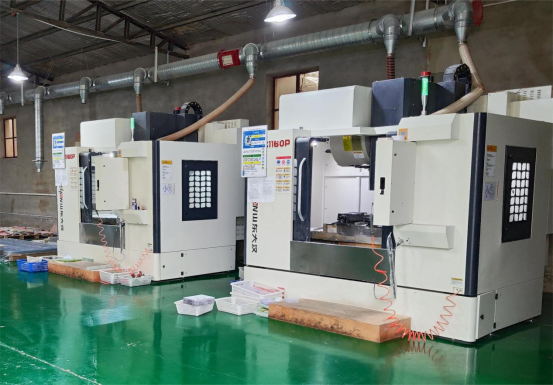
What is a CNC Machining Center?
2026/03/02A CNC machining center, or Computerized Numerical Control machining center, is a highly automated and multi-functional machine tool integrated with a tool magazine and an automatic tool changer. By virtue of numerical control technology, CNC machinin...
Read More -
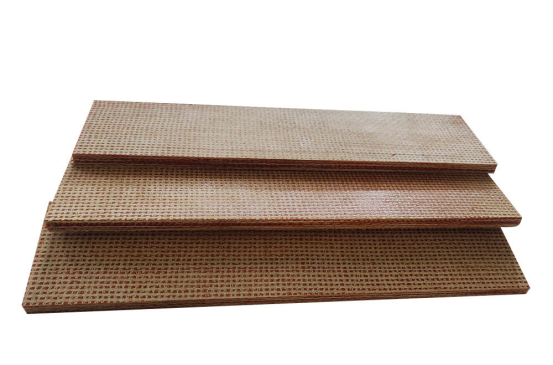
What are the Advantages of Aramid Fiber Laminates over Carbon Fiber Composites?
2026/02/26Aramid Fiber Laminate (AFL) is a high-performance composite material fabricated by laminating aramid fibers (e.g., Kevlar, Twaron) with thermosetting resins (commonly epoxy or phenolic, or thermoplastic resins) through high-temperature, high-pressure...
Read More -
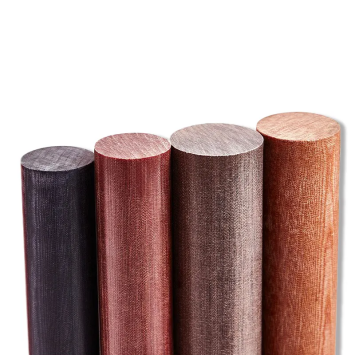
Classification and Ratings of Phenolic Cotton Cloth Rods
2026/01/28The phenolic cotton cloth rod is a kind of thermosetting insulation composite material, which is made by hot pressing after cotton cloth impregnated with phenolic resin. The international standard classification is as follows: National standards: 372...
Read More -
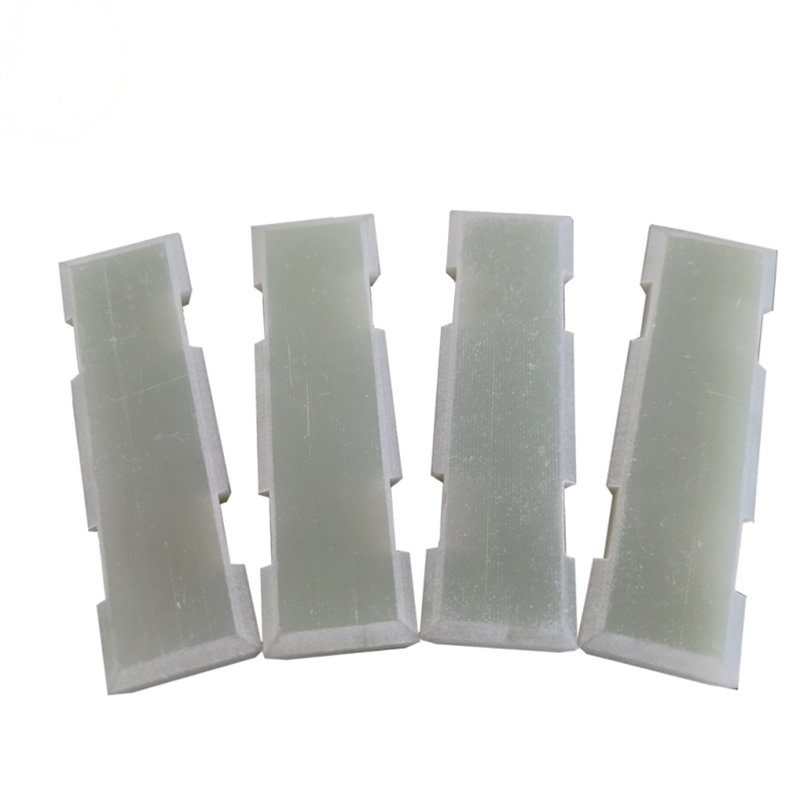
Functions and Materials of Motor Slot Wedges
2026/01/22The motor slot wedge is an important part in the manufacture of motor, it plays a vital role in the normal operation and performance of the motor. Motor slot wedges are typically installed in the stator slots to secure the stator coils. As one of the...
Read More -
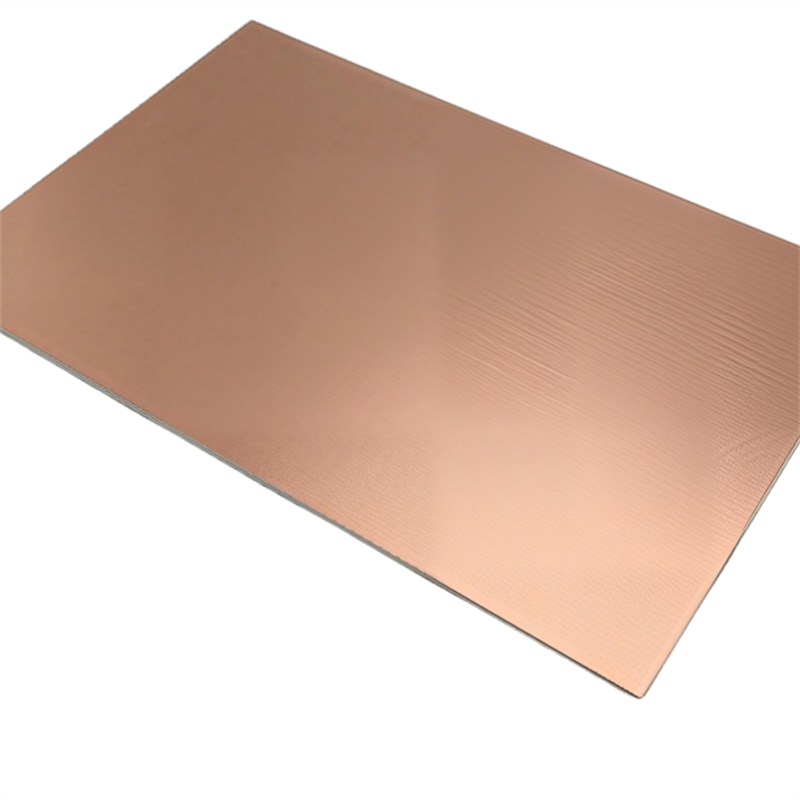
What are the common material used for printed circuit board (PCB)?
2026/01/15One of the common materials in printed circuit board (PCB) manufacturing is Copper-clad laminates (CCLs) which are manufactured by impregnating resin with reinforcing materials like wood pulp paper or fiberglass cloth, then laminating copper foil on ...
Read More